
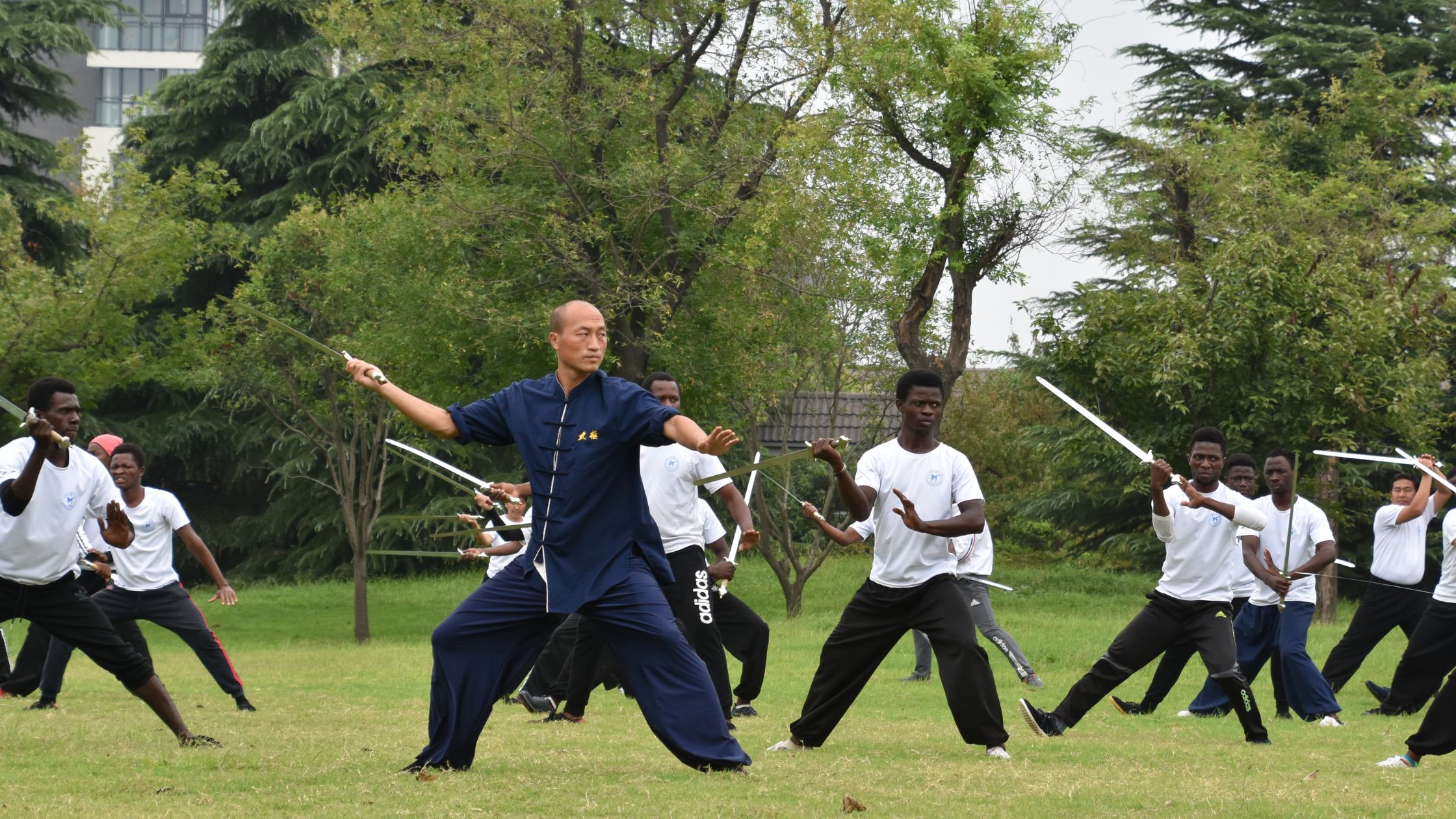
What Participants Will Experience During Shaolin Basics Week Intensive in Ubud
Training in Shaolin is often misunderstood as something only meant for advanced martial artists or people already in peak physical condition. In reality, foundational Shaolin training begins with much simpler — and more demanding — principles: posture, balance, coordination, repetition, discipline, and awareness of the body.
At Bali Flow Retreats, the Shaolin Basics Week Intensive offers participants the opportunity to experience these foundations directly through structured daily practice in Ubud, Bali. Led by Master Li Shi Feng at Dragonfly Village, the retreat is designed to introduce traditional Shaolin training in a way that is accessible, grounded, and practical for modern participants from different backgrounds and experience levels.
This article explains what participants can expect during the training retreat, how the days are structured, and what kind of experience the program is designed to offer.
A Structured Introduction to Shaolin Training
The retreat is not designed as a performance-based martial arts camp or an extreme fitness challenge. Instead, the training focuses on helping participants understand the core foundations behind Shaolin practice through consistent daily repetition.
Participants are introduced to:
- Basic Shaolin stances
- Coordination drills
- Footwork and body mechanics
- Mobility and flexibility work
- Breath awareness
- Partner exercises
- Fundamental Shaolin forms
- Internal cultivation practices
- Elements of Chan (Zen) philosophy
The emphasis throughout the retreat is on learning proper structure and movement quality rather than speed or force.
For many participants, this becomes one of the first times they begin paying close attention to how they stand, move, balance, breathe, and manage physical tension throughout the day.
Daily Training in a Retreat Setting
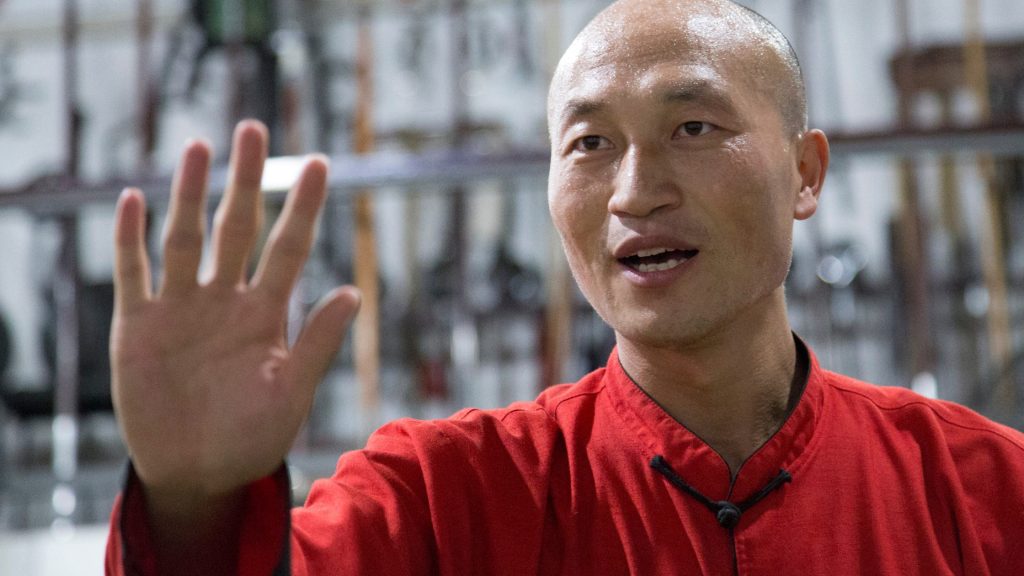
The Shaolin Basics Week Intensive takes place at Dragonfly Village in Ubud, surrounded by rice fields and tropical greenery. The environment plays an important role in the retreat experience itself.
Training sessions are held inside an open-air wooden shala, allowing participants to practice in a quieter and less distracted setting compared to a typical gym environment.
Daily training is structured to create a balance between physical practice, recovery, and integration.
Participants can expect:
- Morning movement sessions
- Technical Shaolin training
- Repetition-based drills
- Group practice
- Guided corrections
- Partner work
- Time for rest and recovery
- Shared meals and community interaction
The retreat pace is designed to be immersive without becoming overwhelming. While the training can be physically demanding at times, the structure allows participants to gradually adapt throughout the week.
Learning Through Repetition
One of the biggest differences people notice during Shaolin training is the amount of repetition involved.
Rather than constantly learning new movements every hour, participants spend time refining foundational actions repeatedly. This includes stance holding, stepping patterns, arm coordination, transitions, and posture correction.
At first, the movements may appear simple. Over time, participants usually begin noticing how much attention and control are required to perform them with proper alignment and consistency.
This repetitive process is intentional. In traditional Shaolin practice, repetition is used to develop:
- Body awareness
- Coordination
- Stability
- Patience
- Physical endurance
- Mental focus
- Structural integrity
For many participants, the challenge is not only physical. The practice also requires attention, consistency, and the ability to stay present during slower and more disciplined training.
Working With the Body Differently
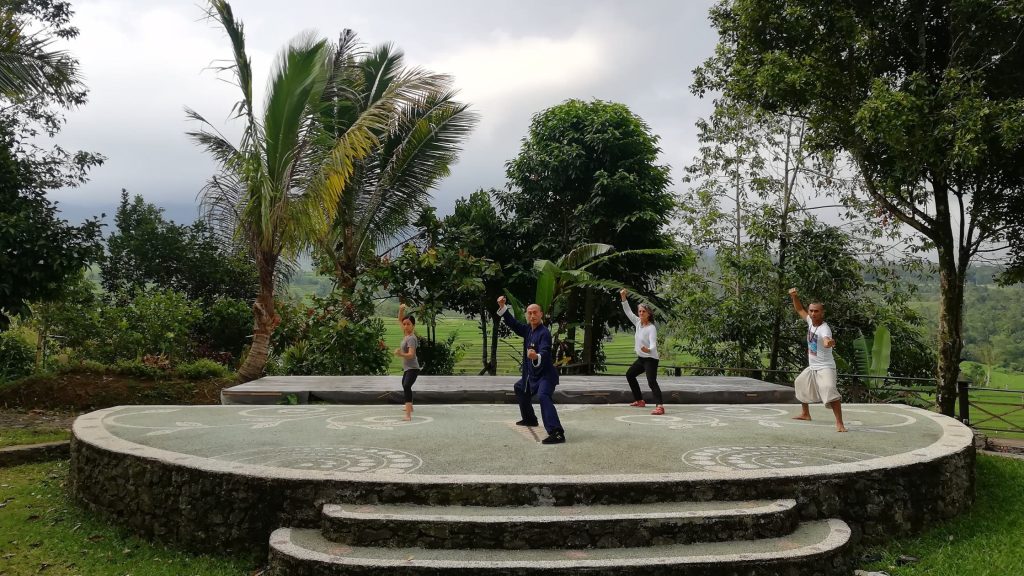
Modern exercise culture often emphasizes intensity, exhaustion, and fast results. Shaolin foundational training approaches the body differently.
Participants are encouraged to observe:
- How tension appears in movement
- How balance shifts during stepping
- How posture affects stability
- How breathing changes under effort
- How coordination improves through awareness
The training becomes less about forcing movement and more about refining how movement is performed.
Over the course of the retreat, many participants begin noticing:
- Improved body coordination
- Better posture awareness
- Increased balance and stability
- Greater movement control
- More awareness of unnecessary tension
- Improved focus during practice
These changes are usually subtle at first, but they often become more noticeable through consistent daily sessions.
A Beginner-Friendly Training Experience
Although the retreat is rooted in traditional Shaolin training, the program is designed to remain accessible for beginners and intermediate participants.
Many attendees join without previous martial arts experience.
The retreat does not expect participants to arrive with advanced fitness levels or technical knowledge. Instead, the focus is on gradual progression and direct learning through guided practice.
Participants are encouraged to work within their own physical capacity while developing consistency throughout the week.
Because of this approach, the retreat often attracts people from different backgrounds, including:
- Beginners interested in Shaolin culture
- Martial arts practitioners
- Wellness and movement enthusiasts
- Yoga practitioners
- Tai Chi and Qigong students
- People looking for a more disciplined movement practice
- Individuals seeking a focused training environment
The Role of Chan (Zen) Philosophy
Alongside physical training, the retreat also introduces aspects of Chan (Zen) philosophy that are traditionally connected to Shaolin practice.
This does not mean participants are expected to follow a religious path. Instead, elements of Chan are approached through practical experience within training itself.
Participants may begin noticing how:
- Attention affects movement quality
- Repetition influences mental focus
- Simplicity requires discipline
- Presence changes physical awareness
- Slower practice reveals habits and tension
The combination of movement, repetition, breath, and focused attention becomes part of the overall retreat experience.
Community and Shared Practice
Another important aspect of the retreat is the group environment created during the week.
Participants train, eat, rest, and spend time together throughout the program. This shared structure often creates a sense of connection and mutual encouragement within the group.
Training alongside others also helps participants stay engaged during physically demanding sessions and repetitive drills.
For many people, the retreat becomes not only a physical training experience, but also an opportunity to temporarily step away from overstimulation, fast routines, and constant digital distractions.
What Participants Usually Take Away
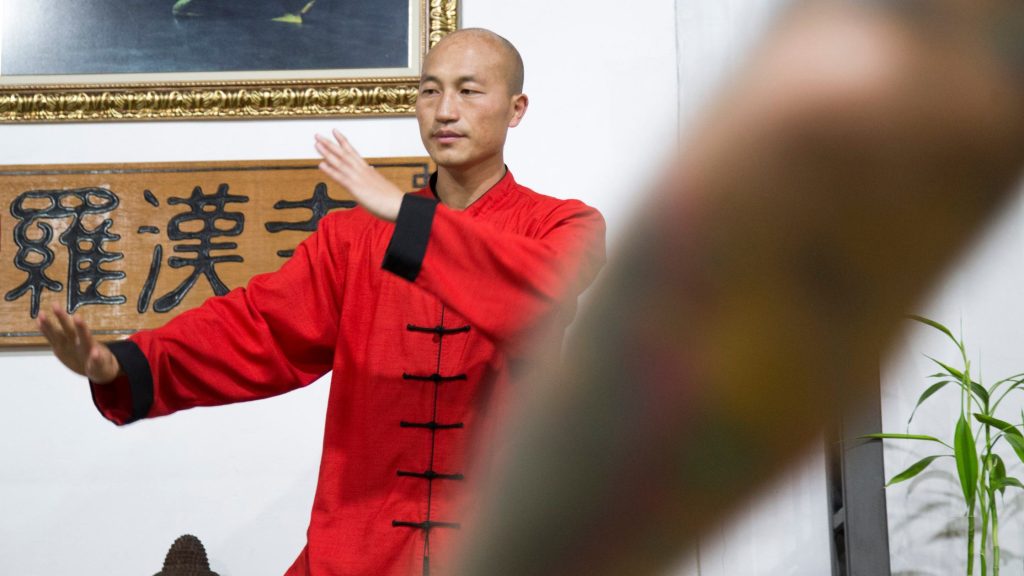
Every participant experiences the retreat differently depending on their background, physical condition, and reasons for joining.
However, many people leave the retreat with:
- Greater awareness of posture and movement
- Improved coordination and stability
- Better understanding of Shaolin foundations
- Increased physical discipline
- More appreciation for slower and more intentional training
- A deeper connection between movement and attention
Some participants continue training in martial arts after the retreat, while others integrate parts of the practice into daily movement routines, mobility work, meditation, or personal wellness habits.
Training Shaolin Foundations in Ubud
The Shaolin Basics Week Intensive is not designed to turn participants into experts within a few days. Instead, it offers a structured introduction to the foundations behind traditional Shaolin training through direct daily practice.
For people interested in movement, discipline, body awareness, martial arts culture, or focused retreat experiences, the program provides an opportunity to explore these principles in a quieter and more immersive environment.
The combination of structured training, repetition, community, and retreat atmosphere creates an experience that extends beyond exercise alone. More information about the retreat, you can check it here.