
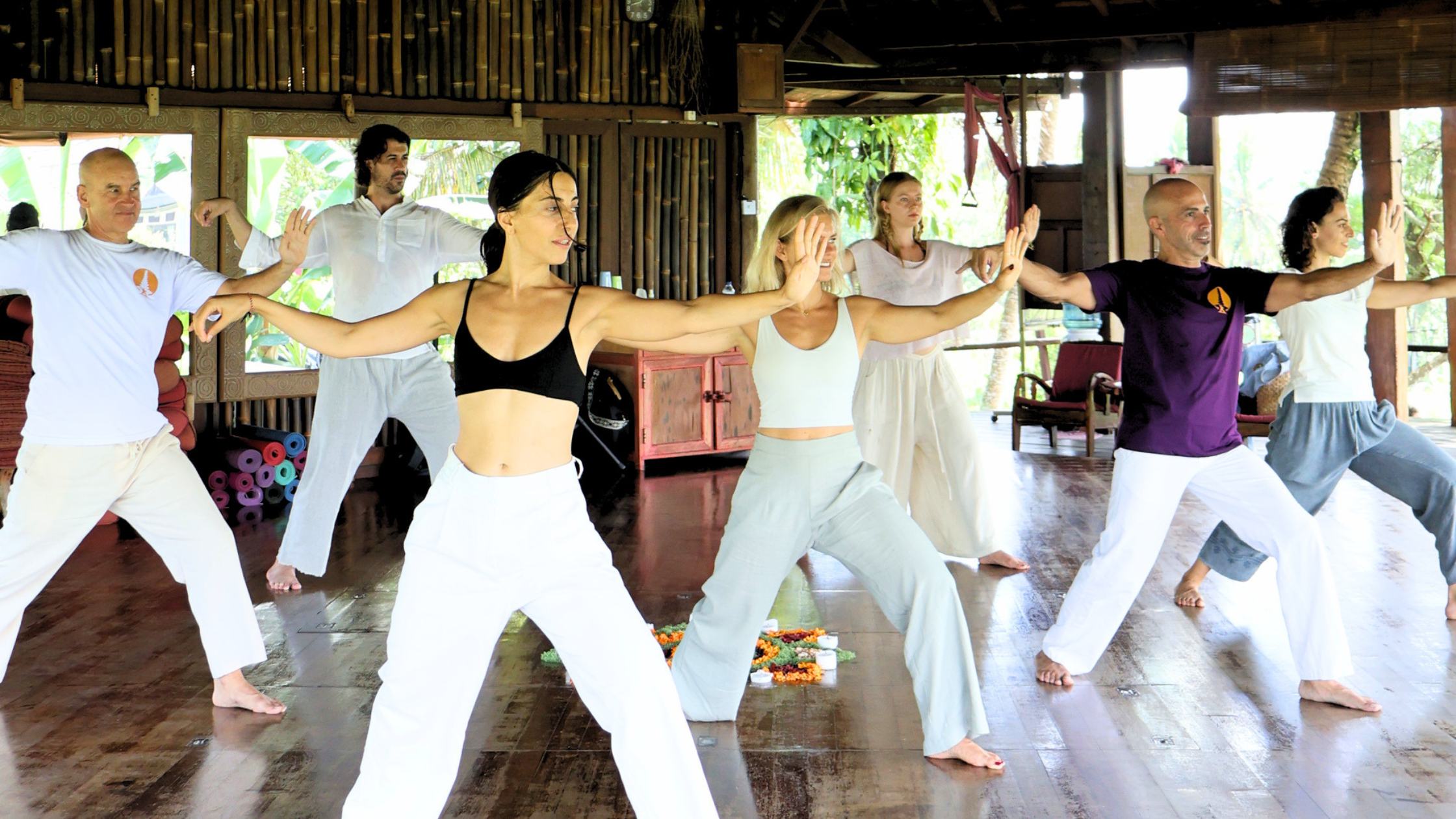
Tai Chi for Daily Life: A Simple Way to Move With More Awareness
Starting From What We Usually Don’t Notice
Most of the time, we move without thinking about it.
We walk, stand, turn, reach: all on autopilot. It’s efficient, but it also means we rarely notice how much tension we carry or how uneven our movements have become over time. It only becomes obvious when something starts to feel off. A shoulder tightens without a clear reason. Balance feels slightly unstable. Movements become rushed, even when there’s no urgency.
Tai Chi doesn’t begin as something you perform. It begins as something you start to notice.
Not in a dramatic way, but gradually: through paying attention to how the body shifts, how weight moves from one side to the other, and how small adjustments begin to change the way everything feels.
Understanding Tai Chi Beyond the Sequence
It’s easy to see Tai Chi as a series of slow, flowing movements. And on the surface, that’s true. But the sequence itself is not really the point.
What matters more is how the movement is done.
Every shift is controlled, but not rigid. Every transition is continuous, without interruption. The body is not moving in separate parts: it moves as one connected system, guided by awareness rather than force.
This is what makes the practice feel different. Instead of trying to achieve something, you begin to understand how movement actually works when it is not rushed or fragmented.
Why Slowing Down Changes the Experience
In most forms of movement, speed hides a lot of things.
When you move quickly, you can compensate without noticing. You can push through imbalance. You can ignore tension.
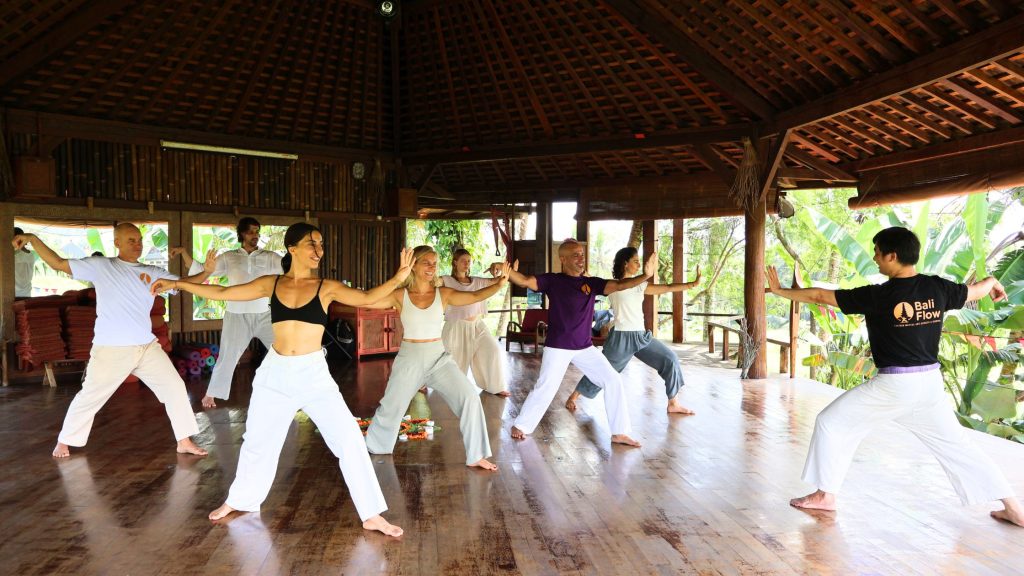
Tai Chi removes that option. When everything slows down, the body doesn’t have anywhere to hide. You start to feel where weight is uneven. Where posture collapses. Where effort becomes unnecessary.
At first, this can feel uncomfortable, simply because it’s unfamiliar. But over time, that awareness becomes useful.
Instead of correcting everything at once, the body begins to adjust naturally, through repetition and attention.
What Begins to Shift Over Time
The changes that come from Tai Chi are not immediate, but they are consistent. They tend to show up in ways that are easy to overlook at first, and then difficult to ignore later.
Balance becomes more stable, not because you trained it directly, but because the body understands how to distribute weight more evenly.
Movement feels lighter, not because you are using less energy, but because you are using it more efficiently.
And the mind becomes less scattered, simply because it has something steady to follow: the rhythm of movement and breath working together. These shifts are subtle, but they change how you experience your body throughout the day.
Where the Practice Actually Matters
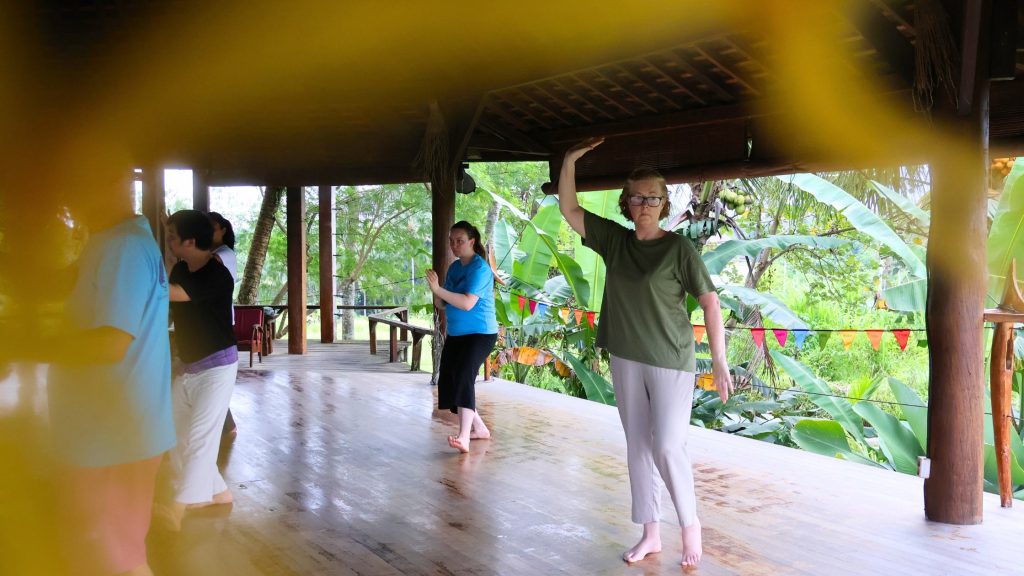
The value of Tai Chi doesn’t stay within the sequence. It shows up in small, everyday moments.
In the way you stand while waiting.
In how you walk from one place to another.
In how you respond physically when something feels stressful or overwhelming.
These are not things people usually train. But they are the things that shape how the body feels over time.
Tai Chi offers a way to move through these moments with more awareness, without needing to think about it constantly.
Learning Through Repetition, Not Complexity
One of the reasons Tai Chi stays with people is because it doesn’t rely on constant variation.
You don’t need to keep learning new movements to go deeper. Instead, you return to the same sequence, allowing the body to recognize patterns and refine them over time. This repetition is not about memorizing, it’s about understanding.
And that understanding is what makes the practice transferable: something you can carry into daily life without needing a structured session.
Letting the Practice Extend Beyond Itself
At a certain point, the boundary between practice and daily life becomes less clear.
You don’t need to remind yourself to “do Tai Chi” while walking or standing. You simply move differently.
More aware of your posture.
More aware of how your weight shifts.
Less reactive to tension when it appears.
It doesn’t require effort in the same way. It becomes something quieter, but more consistent.
Continuing From Here
Tai Chi is not something that needs to be fully understood in one sitting. It builds over time, through repetition, attention, and experience.
If you’re interested in exploring more about Tai Chi, Qigong, and how these practices fit into daily life, you can continue reading here.