
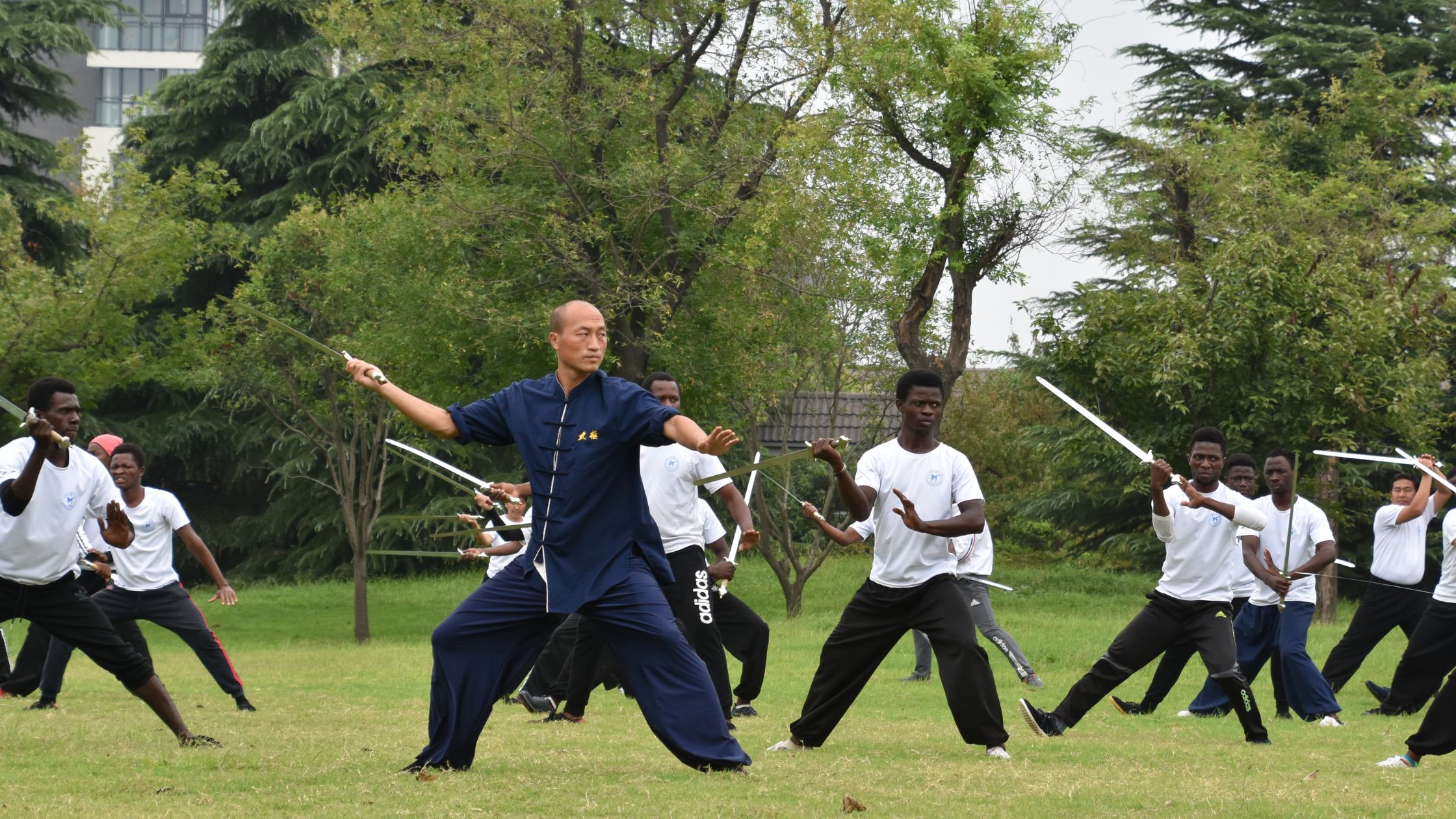
Reasons to Join a Shaolin Basics Retreat: Beyond Training, Into Structure and Discipline
Starting From a Familiar Place
Most people don’t decide to join a Shaolin retreat out of nowhere.
The thought usually comes after a period of trying to stay consistent with something: training, movement, or even just taking better care of the body, and noticing that it doesn’t quite hold. You start, you stop, you return to it again, but the rhythm never fully settles.
It’s not always about a lack of discipline. More often, it’s the absence of structure. When there isn’t something steady to return to, practice becomes dependent on mood, energy, or whatever else is happening in the day. And over time, that inconsistency makes it harder to see progress, even when the intention is there.
This is often where the idea of joining something more structured begins to make sense.
When Structure Becomes the Missing Piece
What draws people into a Shaolin Basics retreat is not the promise of intensity, but the presence of a clear system.
For ten days, the training doesn’t change direction. It doesn’t try to cover everything. It returns to the same foundations: posture, stance, balance, and controlled movement, and works through them steadily, with guidance.
At first, this can feel repetitive. But that repetition is exactly what allows the body to begin understanding the practice in a different way. Instead of constantly learning something new, you begin to refine what you’re already doing. Small adjustments start to matter. The body starts to recognize patterns. And what felt unfamiliar begins to settle into something more stable.
In that sense, the training is less about doing more, and more about doing the same things with greater clarity.
Why Foundations Are Often What’s Missing
There’s a tendency to move past the basics too quickly.
To look for more advanced techniques, more complex sequences, or something that feels like progress from the outside. But without a solid foundation, those layers don’t really hold. The Shaolin approach returns you to that base.
How you stand.
How your weight is distributed.
How movement begins from a grounded position rather than being added on top of instability.
These are not things that can be built in a single session. They take time, repetition, and correction. And once they begin to take shape, everything else becomes more reliable.
The Difference Guidance Makes Over Time
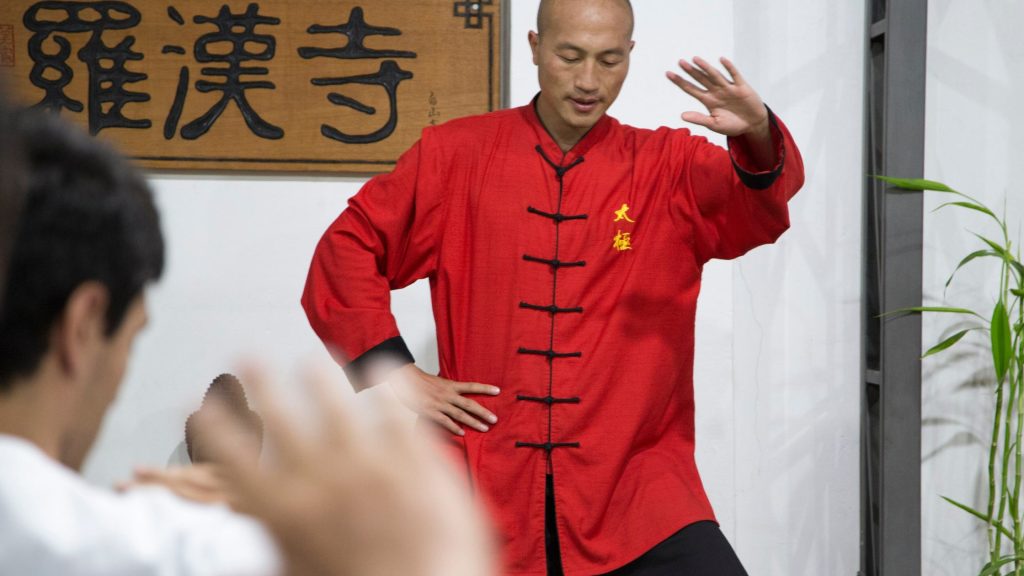
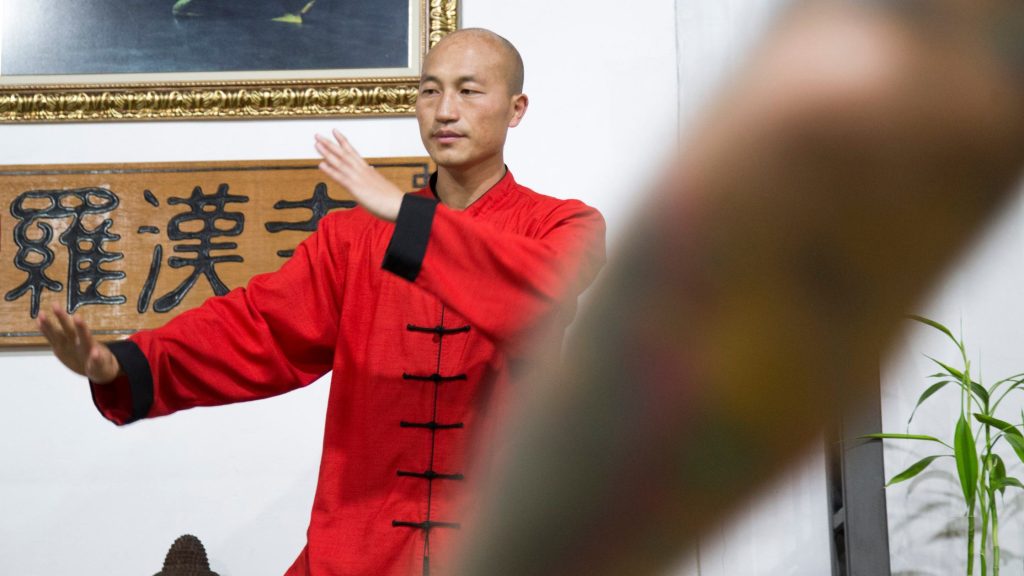
Another reason this kind of retreat shifts things is the presence of direct guidance. Training under Shaolin Master Li Shi Feng is not just about following instruction. It’s about learning how to see what you’re doing more clearly.
Small corrections begin to change how the body holds itself. Effort becomes more precise instead of more forceful. Movements start to feel grounded rather than controlled from the outside.
Over several days, this guidance accumulates.
What you understand on the first day is not the same as what you understand by the seventh or eighth. Not because the movements have changed, but because your relationship with them has.
And that shift is difficult to reach when you are practising on your own, without feedback.
What Changes When the Environment Supports the Practice
There is also something about stepping into an environment where the training becomes the center of the day.
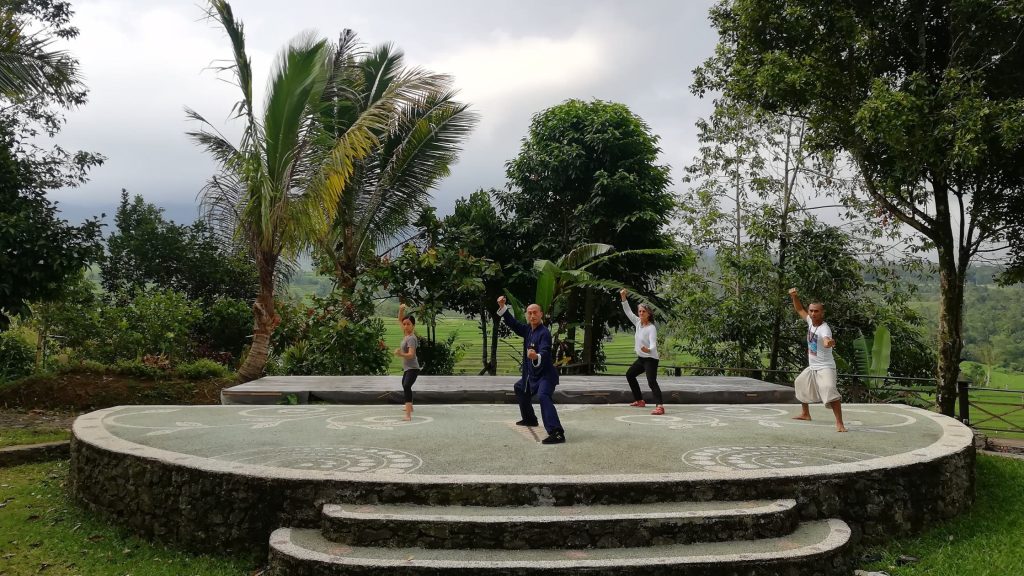
At Dragonfly Village in Ubud, the rhythm is already set.
You’re not trying to fit practice around everything else. You’re not negotiating with your schedule. The day is built in a way that supports consistency: allowing you to focus, train, and then rest without distraction.
It creates a different kind of attention. Not forced, not intense, but steady. And over time, that steadiness becomes part of how you approach the practice itself.
Choosing How Deeply You Step Into It
The retreat offers both residential and non-residential options, and the difference between them is less about access to the training and more about how fully you want to enter that rhythm.
Staying on-site allows you to remain within the environment throughout the day, letting the structure carry you from one session to the next. It removes the need to step in and out of the experience.
Joining as a non-residential participant keeps the training accessible while allowing you to maintain your own space outside of it.
Both approaches lead to the same practice. The difference is in how continuously you stay within it.
What People Are Actually Looking For When They Join
It’s rarely just about learning Shaolin techniques.
More often, it’s about finding a way to train that feels consistent, grounded, and real.
Something that doesn’t rely on motivation.
Something that doesn’t change direction every few days.
Something that builds over time instead of starting over.
This kind of training tends to speak to people who are ready to stay with a process, even when it’s simple, even when it’s repetitive, and even when the progress is not immediately visible.
Because that’s where the deeper changes begin.
What Stays Beyond After The Training
At the end of the retreat, what remains is not just the movements you’ve practised. It’s the structure you’ve experienced.
A clearer sense of how to stand and move.
A more stable way of approaching training.
A different relationship with discipline: one that comes from continuity rather than pressure.
These are things that don’t depend on the retreat itself.
They become something you can return to, long after the ten days are over.
Continuing From Here
Deciding to join something like this is not always about making a dramatic change.
Sometimes, it’s simply about choosing a more structured way to approach your practice, and giving it the time and consistency it needs to develop.
If you’d like to explore the full details of the Shaolin Basics Retreat: including the training structure, accommodation options, and current availability, you can find more information here.